Based on
chimolog's data
The Clarity_Level=5 setting seems to be ~10% pulse width, leading to ~0.55 ms MPRT @ 180Hz @ 86 cd/m²
The Clarity_Level=3 setting seems to be ~20% pulse width, leading to ~1,111 ms MPRT @ 180Hz @ 128 cd/m²
The Clarity_Level=1 setting seems to be ~30% pulse width, leading to ~1,666 ms MPRT @ 180Hz @ 253 cd/m²
The XG27ACS uses standard global scan backlight strobing. Sadly limited by the use of KSF/PFS...
I haven't been able to scout the duty cycle behavior of the XG27JCG.
This model is using (discrete) rolling scanning backlights (ELMB2) as opposed to global scan backlight strobing (ELMB1)
The saddest part is, I don't expect any of the alternatives (
MSI 271KRAW16, AOC AGP277KX, LG 27GM950B, ACER XV270X P) to have a backlight strobing mode which is even remotely close to the XG27JCG, since most manifacturers prefer to keep it to a fixed duty cycle experience and choose brightness over MPRT.
Maybe ULMB2 on the new MiniLED Pulsars (e.g.: Acer XB323QX) might compete, assuming they implement a separate toggle for ULMB2 and allow for adjustable PW this time around....
Here's some OSRTT data of the XG27JCG @ 24:41
Here are pursuit photographs of the XG27JCG, when using ELMB 2 @ 180Hz
EDIT:
I've come across the behavior of XG27JCG's ELMB2 implementation.
 Disclaimer: None of the data below is 100% accurate, treat all of this with a large grain of salt.
From this image above, we can assess the following:
Lvl=5 → 18.75% – 17.64% duty cycle
Lvl=4 → 31.25% – 29.4% duty cycle
Lvl=3 → 37.5% – 35.03% duty cycle
Lvl=2 → 50% – 47.05% duty cycle
Lvl=1 → ~56.25% duty cycle
f= 180Hz (t= 5,555555555555556 ms)
Based on this, for the XG27JCG:
The Clarity_Level=5 setting seems to be ~18% pulse width, leading to ~1ms MPRT @ 180Hz @ ~220cd/m² (assume 0.05 fluctuations; as this is a very rough estimation based on the pulse graph above)
The Clarity_Level=3 setting seems to be ~36% pulse width, leading to ~2ms MPRT @ 180Hz @ ~400cd/m²
The Clarity_Level=1 setting seems to be ~56.25% pulse width, leading to ~3,125ms MPRT @ 180Hz @ >400cd/m²
Note: The luminance values are likely wrong, the strobe 'on' period should be roughly accurate.
TL;DR: It isn't as clear as the XG27ACS, but it's mighty good for a rolling scan implementation and the density it targets.
EDIT2 from the future:
Based on iMartz video, whose TestUFO pursuit photographs are 960 px/s it's more likely that the Clarity_Level=5 setting is targeting a 35–37,5% pulse width instead... which would make it very mediocre...
Here's the ELMB2 pursuit photograph
Namely:
180 Hz (5,555556 ms) → 1,944446 – 2,083333 ms pulse on interval (480–514 Hz effective moton clarity)
The 330 Hz mode doesnt seem to align well with the aforementioned duty cycle value, as it's seemingly ≤35% (the UFO is too slow to evaluate the end region)
That's sad... it had potential.
Let's hope that the GB or MSI 27" 5K model will eclipse it, as I know that the LG model also has a mediocre duty cycle target.
EDIT3 from the future
RTINGS recently made a review of both the
LG 27GM950B & the
XG27JCG
RTINGS pursuit photograph uses a 1920 px/s pixel speed.
The results are grim.
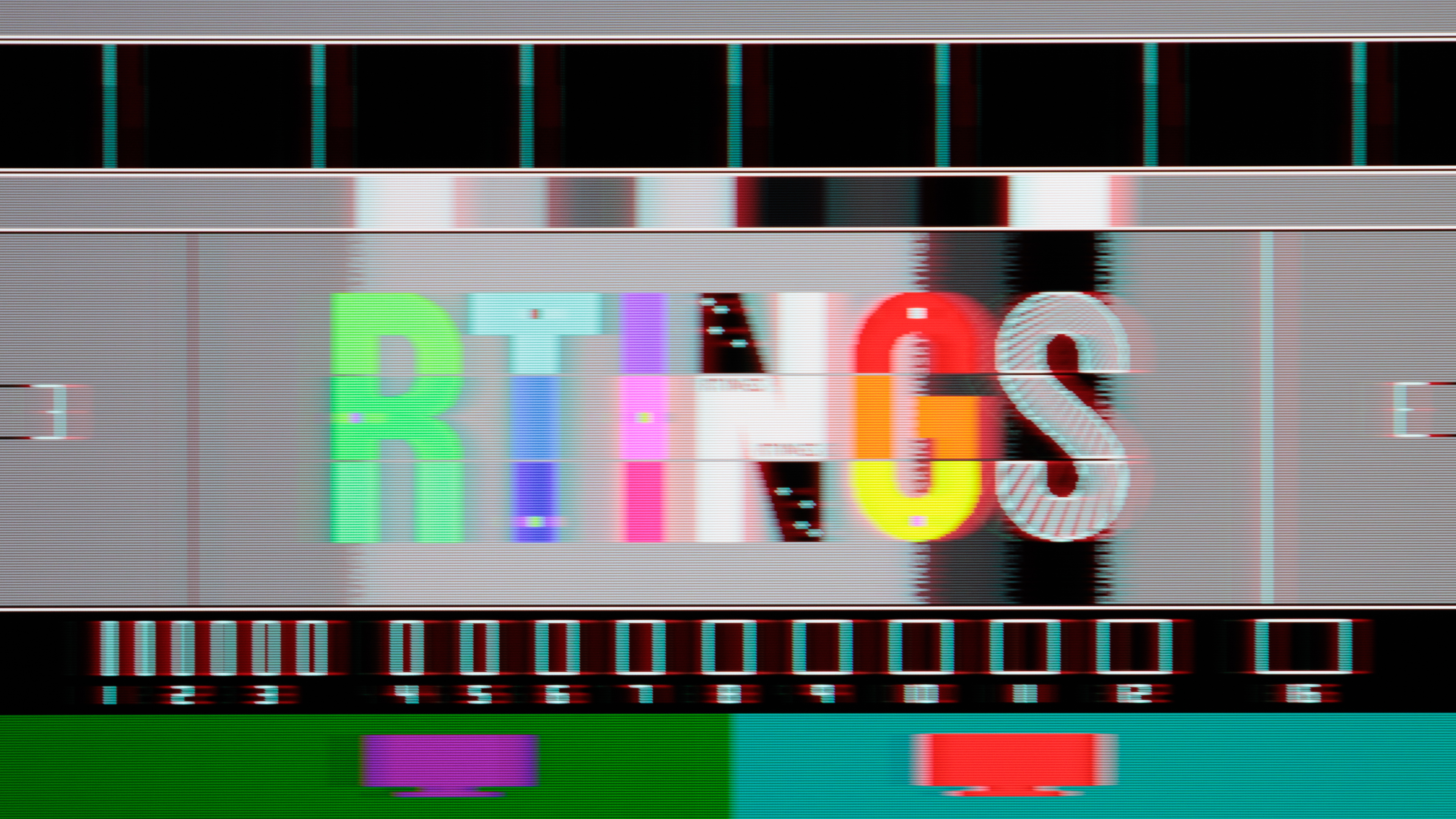
Here's the LG 27GM950-B

&
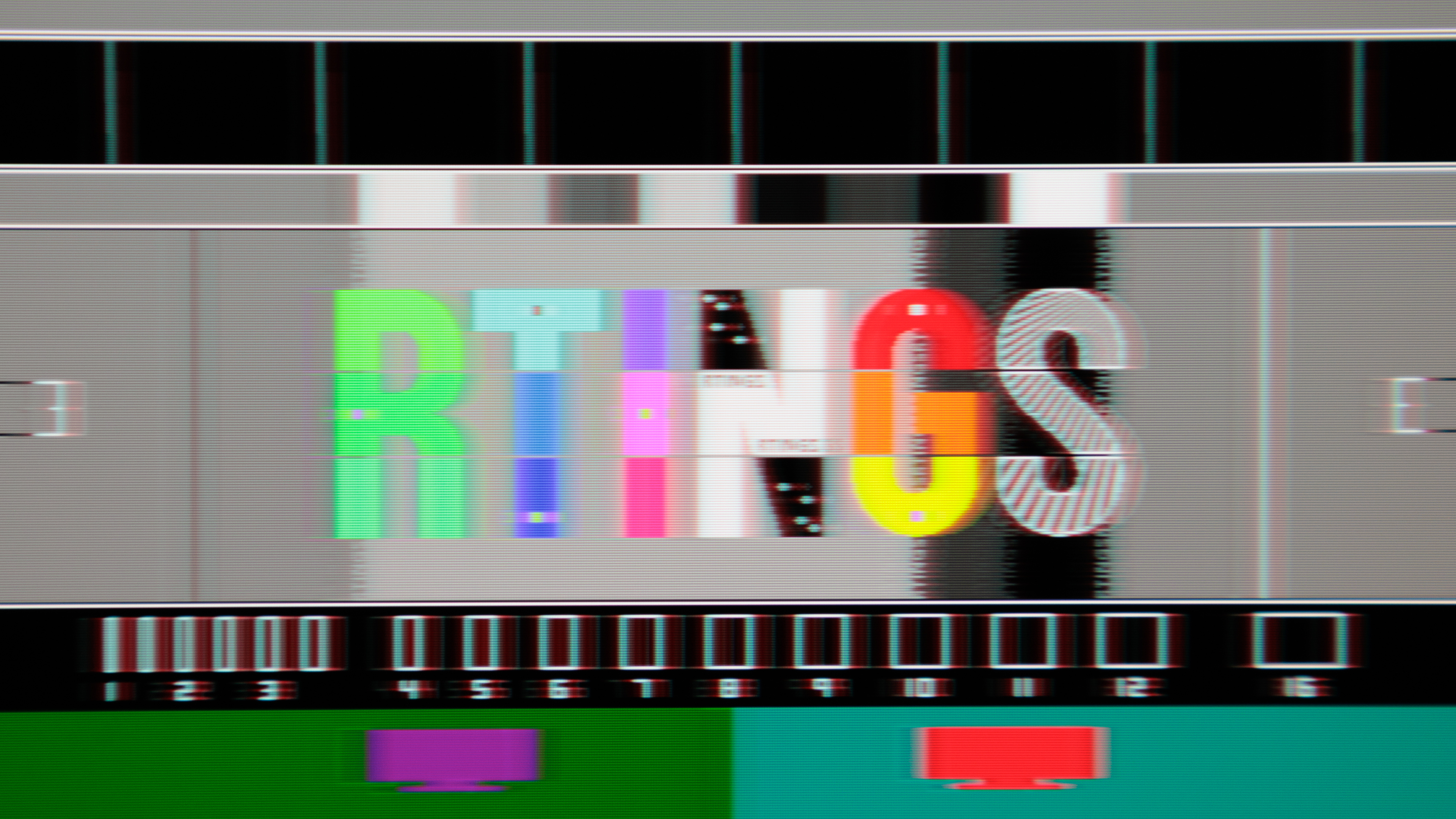
Here's the ASUS XG27JCG @ 180 Hz (Clarity_Level 5)
& here's the 330 Hz mode:
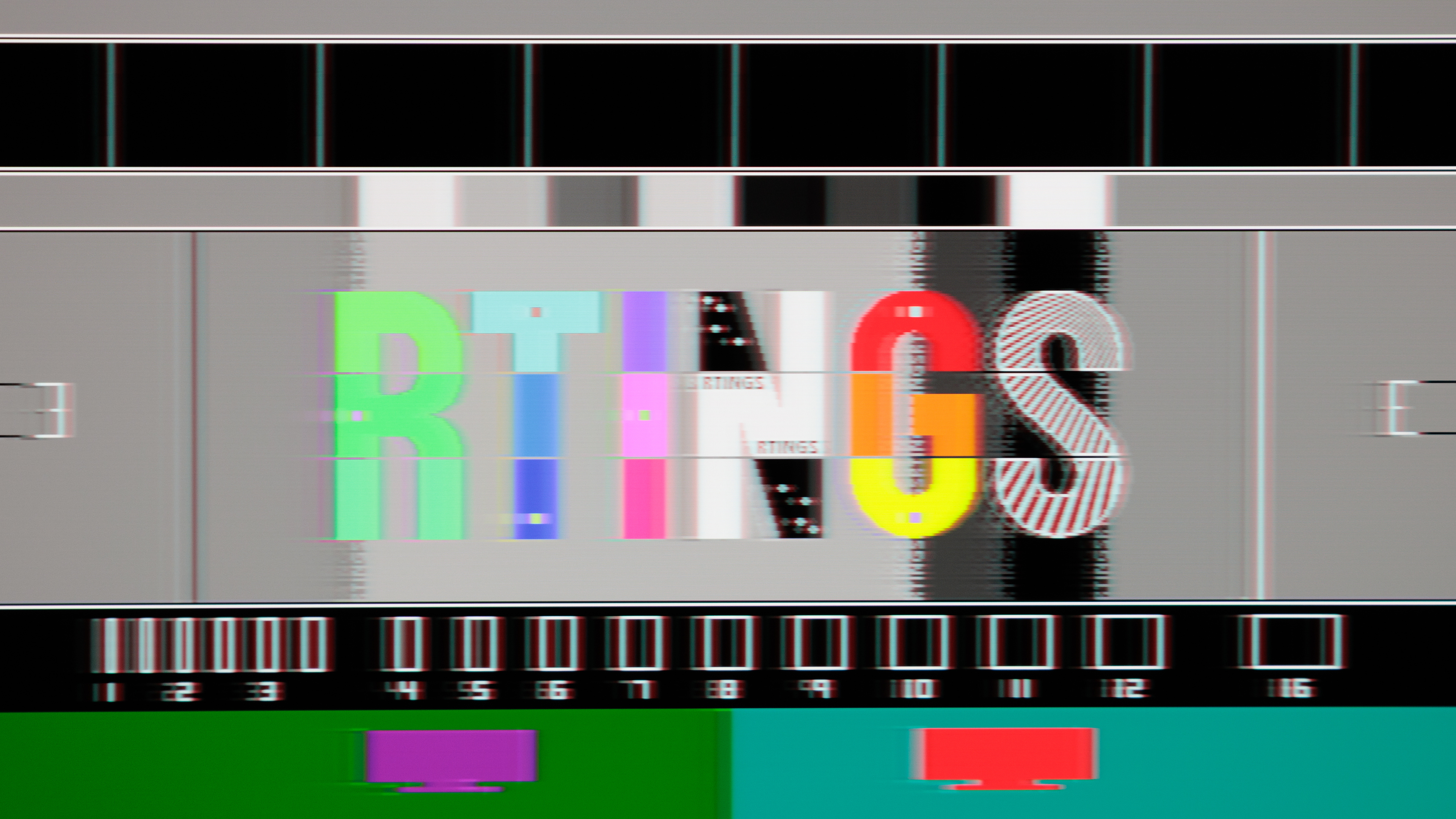
As per RTINGS data, the XG27JCG targets ~226 cd/m² on 'Clarity Level 5'.
This, along with the 1920px/s pursuit photograph, leads me to believe the duty cycle lies within the 27-35% range.
LG targets 633 cd/m² when MBR is enabled, in comparison, while achieving similar clarity....
ASUS, why? Why are you foregoing ELMB on majority of your panels?...
According to TFTCentral
The LG uses a ~33% pulse width at the 165 Hz setting, leading to a effective motion clarity of ~480 Hz
That's a very subpar target to chase, making the implementation borderline useless... but still better than the ASUS due to lack of KSF fringing
The fact that the LG does 633 cd/m² when MBR is enabled makes their choice of not targeting a lower pulse width (<20%) even more bizarre.
The ASUS looks
worse than the LG, therefore making the feature even more redundant.
A big limitation of the LG model is that MBR is only available in the 5K image resolution mode. Not in the QHD mode.
ASUS is free from this limitation...
I guess we'll have to wait for Titan Army or AOC to do a good job on these 27" 5K panels in terms of pulse width... what a dreadful market.

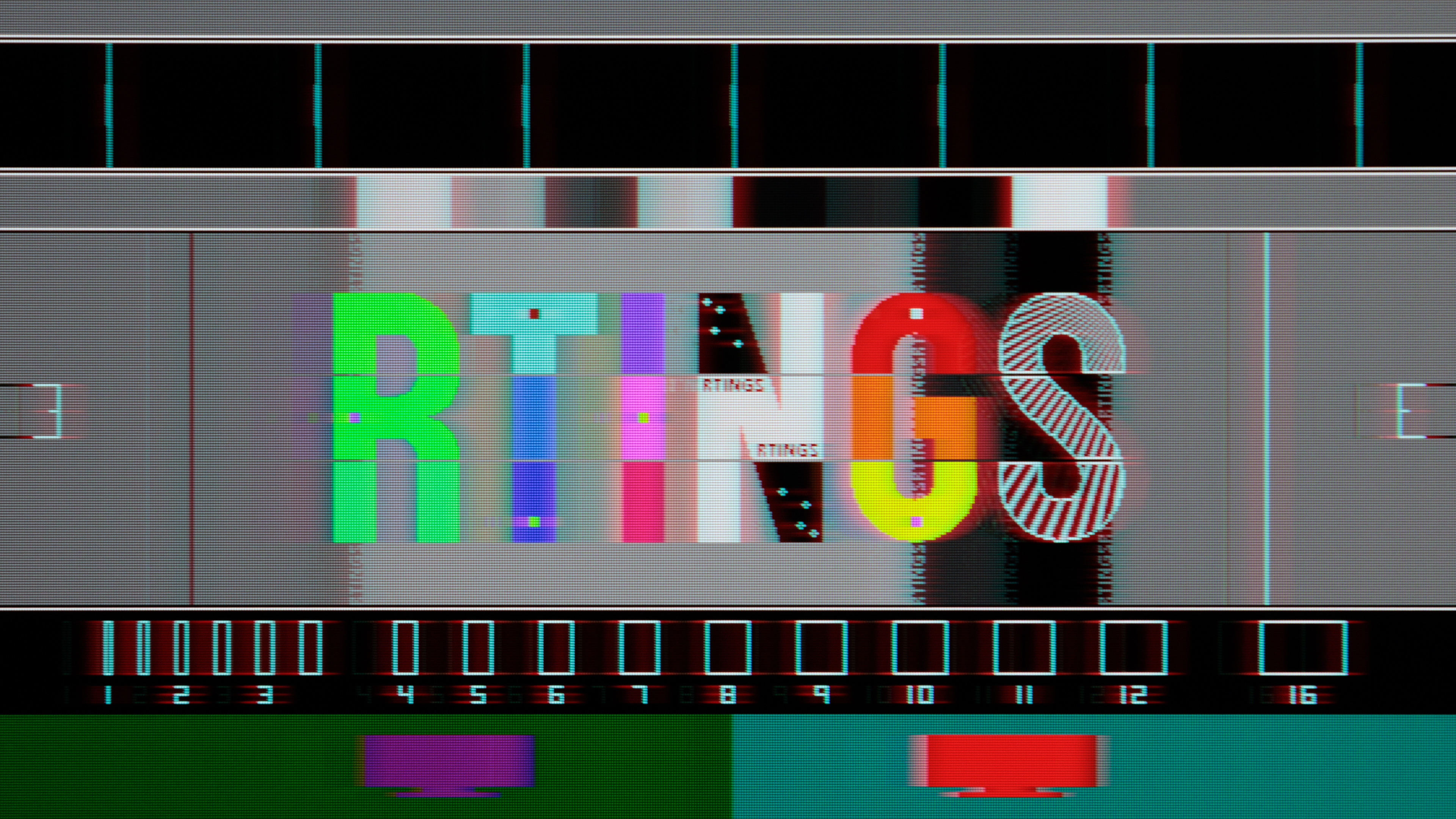 level 5 strobing (the heaviest preset) seems to 10x persistence.