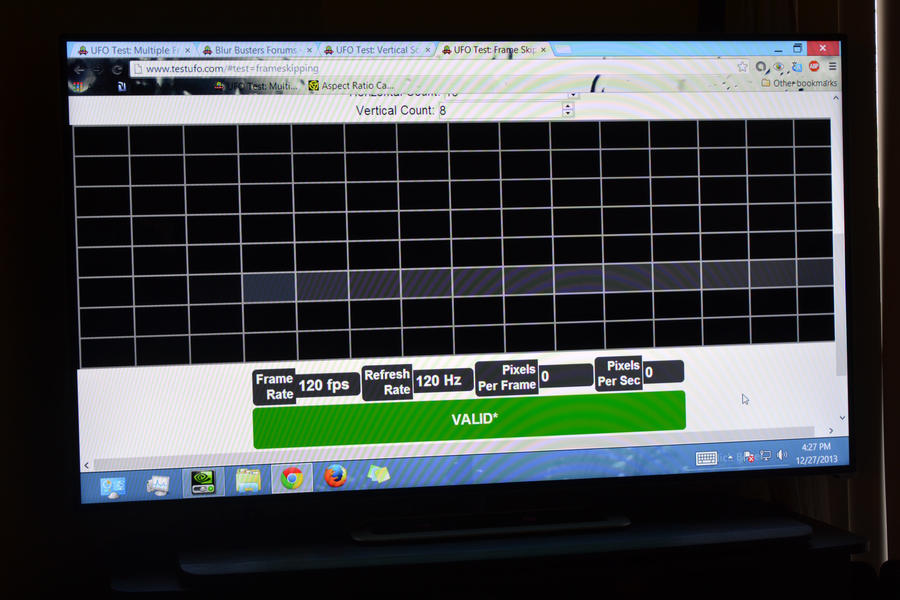
Vizio M651d-A2R 120hz [HDTV overclocking success]
Posted: 27 Dec 2013, 06:01
[Editor's Note For Readers: This is a success report from following HDTV Refresh Rate HOWTO: True 120Hz from PC to TV, for those wondering.]
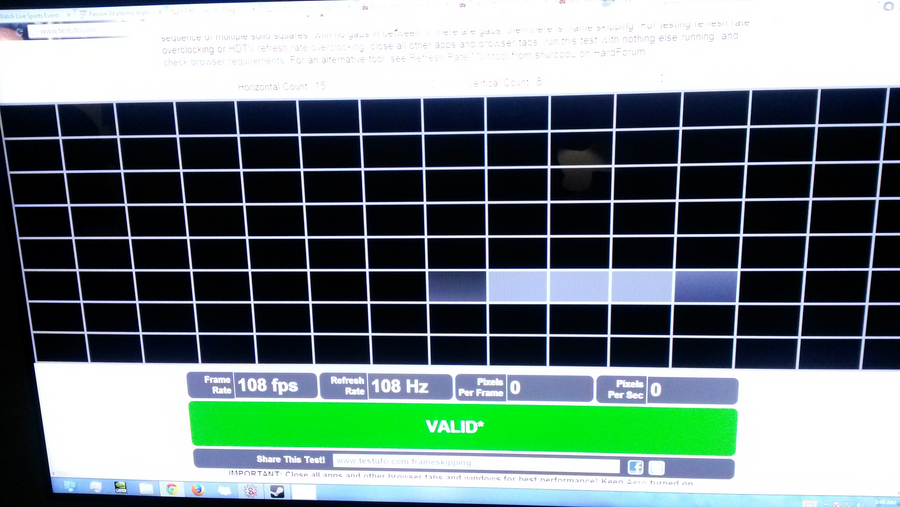
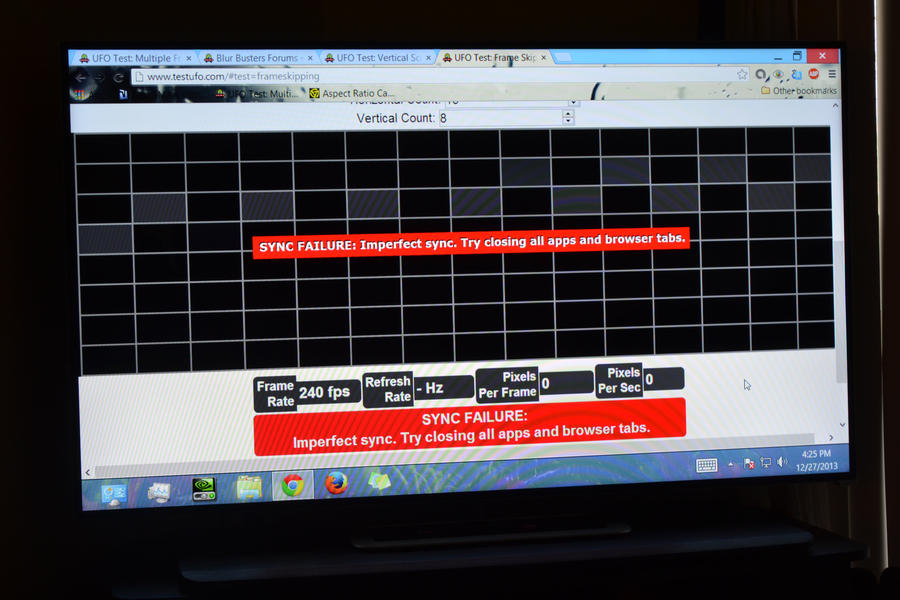
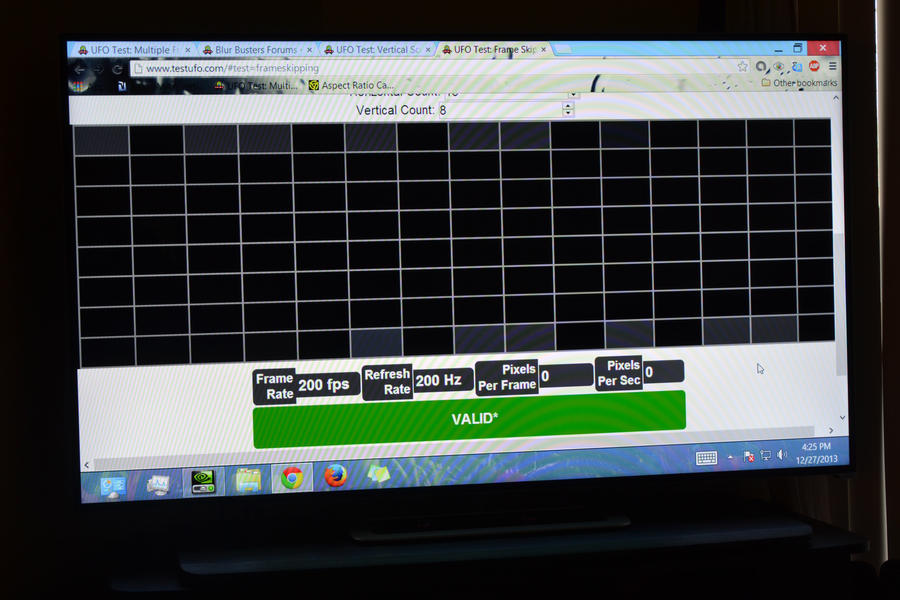
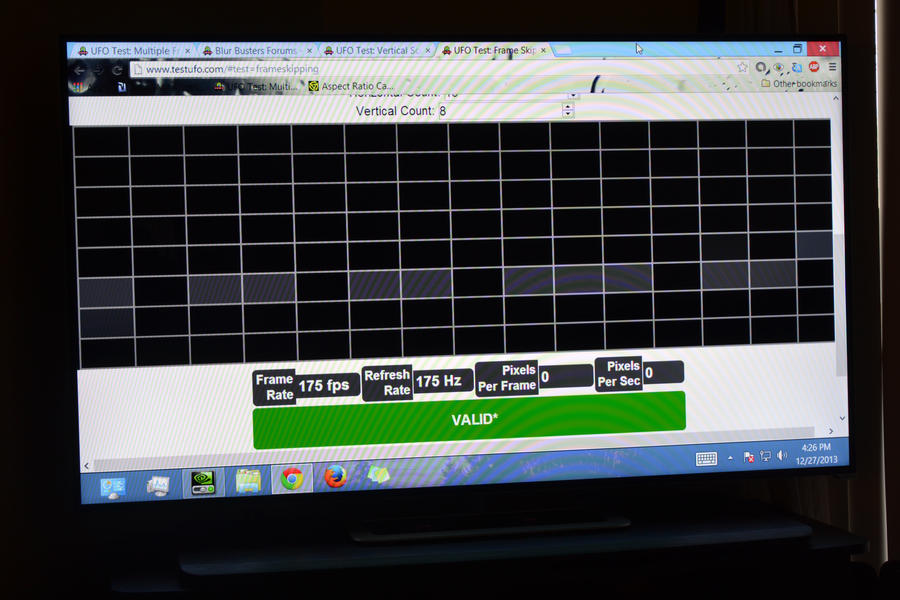
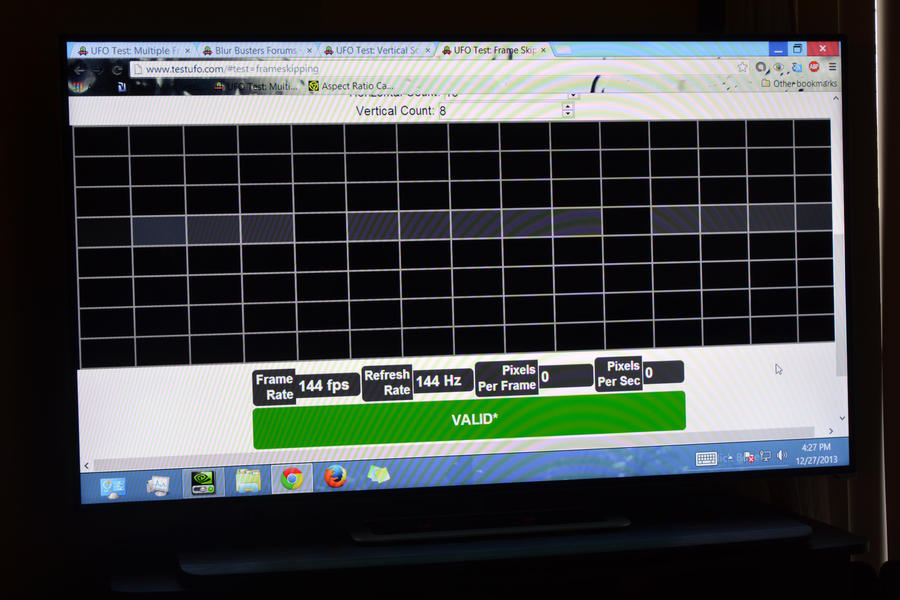
So this tv is doing 108hz smoothly, very clear, with sound. Tried Pixel Overclock via EVGA Precision X to boost to 120 or even 109 with no success. Have a custom refresh set via NVIDIA Control Panel at 108hz currently. Trying the Reduced Timings setting does nothing at 109hz, trying to manually change the front porch etc is doing nothing at 109hz/110hz/120hz.
So it looks like 108hz is the max, but with sound and 108hz working over HDMI, this beats 60hz hands down.
I would love feedback if anyone has suggestions to get it up to 120hz.
Also, this particular TV is less than a week old and shows a fairly significant amount of Backlight bleeding/clouding. It also displays feint horizontal backlight banding/stripes, which I had never seen nor heard of before. Neither are at all noticeable with normal/bright scenes, but stand out during dark scenes and continuously during letterbox videos. I plan to call for an exchange later today.
I am curious what the general consensus would be given 2 options. Should I give another M651d-A2R a shot as a straight exchange, or should I go with the UN65F6400 120hz Samsung and hope it, like the UNxxF6300 line, will also be 100+ hz capable? I should mention I have literally just over 100+ 3D films and have previously had an absolutely awful experience with Samsung UN55C7000 active 3D shutter glasses. I would rate the Samsung 2010 model's 3D at a 1/10 and the Vizio M's passive at an 8.5/10. The 3D would be an important factor to me. Or maybe I should risk trying an LG 60LM7200 passive model, which I haven't seen any mention of as being +100hz capable, and also a step down to 60"?
Also of note, after viewing the "Smooth Motion Effect" interpolation of the Vizio M, I can see what people have been complaining about on different TV forums for the last several years about Motion Interpolation in general. On the Vizio its very blurry with tracers of bright objects. Plain ugly really, which stinks because I really enjoyed the Automotion Plus settings of the 2010 Samsung (at least on HDMI/HD content).
So this tv is doing 108hz smoothly, very clear, with sound. Tried Pixel Overclock via EVGA Precision X to boost to 120 or even 109 with no success. Have a custom refresh set via NVIDIA Control Panel at 108hz currently. Trying the Reduced Timings setting does nothing at 109hz, trying to manually change the front porch etc is doing nothing at 109hz/110hz/120hz.
So it looks like 108hz is the max, but with sound and 108hz working over HDMI, this beats 60hz hands down.
I would love feedback if anyone has suggestions to get it up to 120hz.
Also, this particular TV is less than a week old and shows a fairly significant amount of Backlight bleeding/clouding. It also displays feint horizontal backlight banding/stripes, which I had never seen nor heard of before. Neither are at all noticeable with normal/bright scenes, but stand out during dark scenes and continuously during letterbox videos. I plan to call for an exchange later today.
I am curious what the general consensus would be given 2 options. Should I give another M651d-A2R a shot as a straight exchange, or should I go with the UN65F6400 120hz Samsung and hope it, like the UNxxF6300 line, will also be 100+ hz capable? I should mention I have literally just over 100+ 3D films and have previously had an absolutely awful experience with Samsung UN55C7000 active 3D shutter glasses. I would rate the Samsung 2010 model's 3D at a 1/10 and the Vizio M's passive at an 8.5/10. The 3D would be an important factor to me. Or maybe I should risk trying an LG 60LM7200 passive model, which I haven't seen any mention of as being +100hz capable, and also a step down to 60"?
Also of note, after viewing the "Smooth Motion Effect" interpolation of the Vizio M, I can see what people have been complaining about on different TV forums for the last several years about Motion Interpolation in general. On the Vizio its very blurry with tracers of bright objects. Plain ugly really, which stinks because I really enjoyed the Automotion Plus settings of the 2010 Samsung (at least on HDMI/HD content).