Re: Potentially low MPRT on many 4K and 8K Samsung QLED TVs (lots of RTINGS BFI Test image comparisons)
Posted: 02 Jul 2026, 16:19
It appears that in a shocking twist, judging from RTINGS early access review's pursuit shot, the Sony Bravia 7 II's BFI mode performs breddy gud, after a decade of poor performing BFI modes in Sony TVs (which had an amazing lead with Motionflow Impulse and then discontinued it for no reason).
It appears to perform better than the Samsung R95H but not quite on the level of Samsung's best Mini-LEDs.
The pixel response tests match this assessment, with the Bravia 7 II being more responsive than the R95H but noticeably below the QN95D.
Still, we now have a bright RGB MiniLED TV with a glossy finish and a pretty decent BFI mode on the market, not to mention some long overdue competition in this specific niche on low-MPRT TVs, which is something to celebrate.
Hopefully the Bravia 9 II will be good as well, because sadly the zone count on the Bravia 7 II is a bit lackluster.
Still in no hurry to be an RGB-MiniLED TV early-adopter, there is room for improvement for sure, but if one were to dip one's toe, the water seems inviting.
On a side note I cannot see any of the black transition issues reported by troyan on any of the relevant TestUFO tests on my QN90D.
Haven't been able to do serious testings on my QN95D yet because of my busy schedule.
I do acknowledge that backlight lag is a bit of a problem is certain scenes (the strobing night club scene in The Neon Demon is a good example, where local dimming takes a bit too long to disappear, leaving the outline of the characters that have already disappeared still visible, giving the whole scene a much more flimsy look than it does on my OLEDs or Kuro). But in no situation have I seen a visible downgrade in motion clarity when alternating bright colors on black backgrounds.
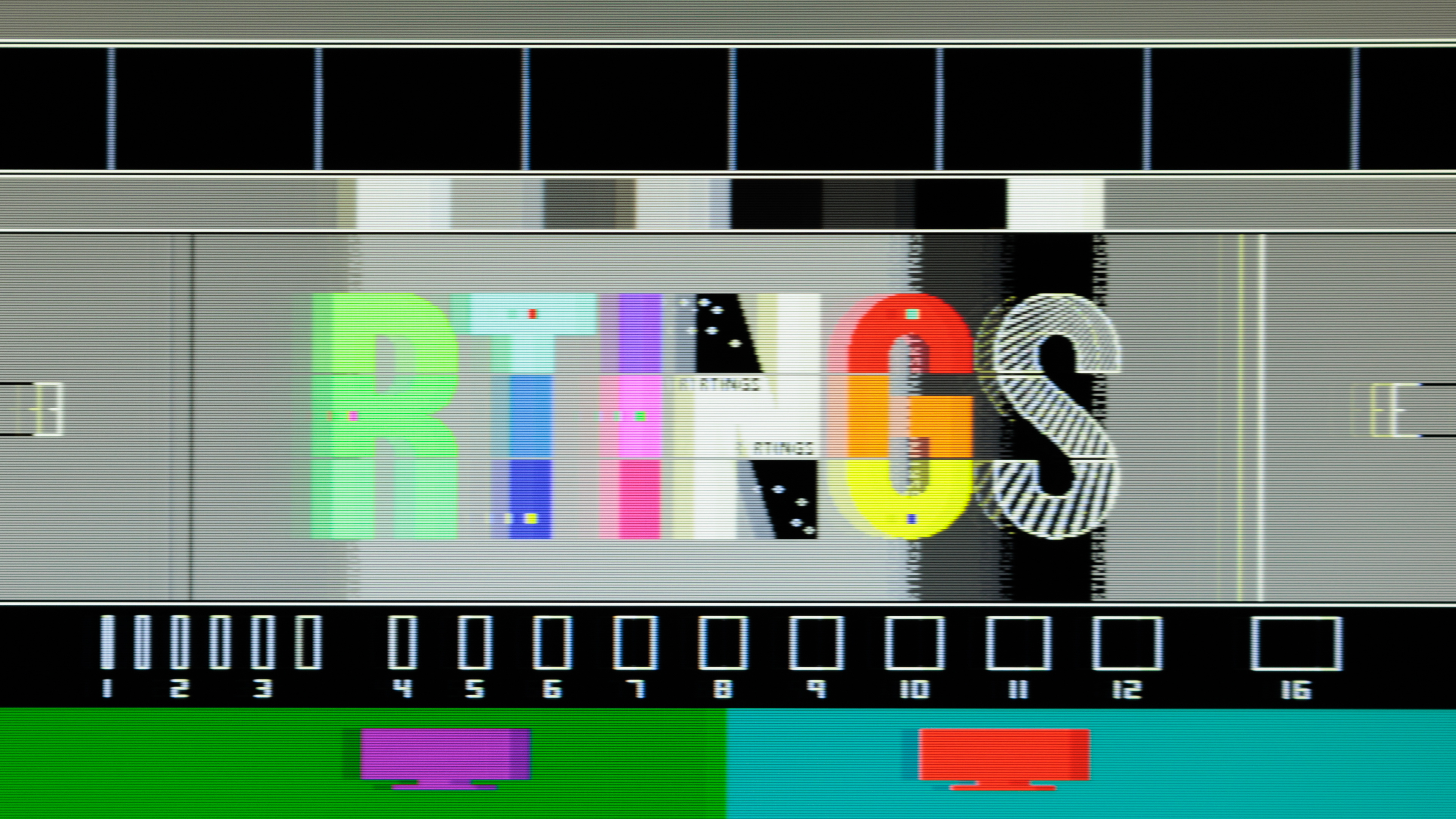
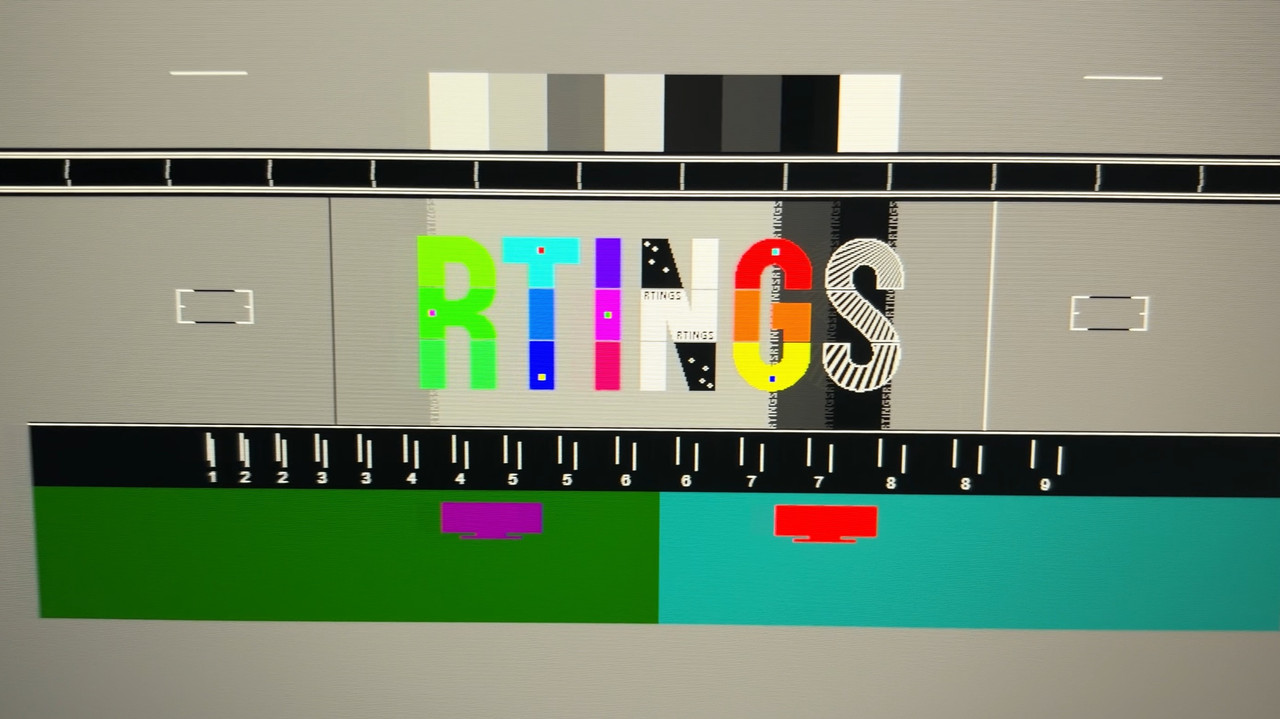
Obligatory comparison shots: Bravia 7 II VS R95H VS QN95D (current reference in backlight strobing TVs).
It appears to perform better than the Samsung R95H but not quite on the level of Samsung's best Mini-LEDs.
The pixel response tests match this assessment, with the Bravia 7 II being more responsive than the R95H but noticeably below the QN95D.
Still, we now have a bright RGB MiniLED TV with a glossy finish and a pretty decent BFI mode on the market, not to mention some long overdue competition in this specific niche on low-MPRT TVs, which is something to celebrate.
Hopefully the Bravia 9 II will be good as well, because sadly the zone count on the Bravia 7 II is a bit lackluster.
Still in no hurry to be an RGB-MiniLED TV early-adopter, there is room for improvement for sure, but if one were to dip one's toe, the water seems inviting.
On a side note I cannot see any of the black transition issues reported by troyan on any of the relevant TestUFO tests on my QN90D.
Haven't been able to do serious testings on my QN95D yet because of my busy schedule.
I do acknowledge that backlight lag is a bit of a problem is certain scenes (the strobing night club scene in The Neon Demon is a good example, where local dimming takes a bit too long to disappear, leaving the outline of the characters that have already disappeared still visible, giving the whole scene a much more flimsy look than it does on my OLEDs or Kuro). But in no situation have I seen a visible downgrade in motion clarity when alternating bright colors on black backgrounds.
Obligatory comparison shots: Bravia 7 II VS R95H VS QN95D (current reference in backlight strobing TVs).